Dumpsters for Home Renovations: What Homeowners Need to Know
Home renovations often bring exciting improvements to your living space, but they also create a surprising amount of debris. Old cabinets, flooring materials, drywall, and packaging from new products can quickly pile up during even modest projects. Planning ahead for waste removal keeps the renovation process organized and prevents clutter from slowing down your progress.
Many homeowners focus on design decisions and construction details without thinking about how renovation waste will be handled. Debris left sitting around a property can create safety hazards and make work areas harder to navigate. Renting a dumpster provides a simple, reliable way to manage materials and keep home renovations running smoothly.
Why Dumpsters Are Important for Home Renovations
Home renovations often generate far more debris than homeowners initially expect. Materials such as drywall, wood scraps, old fixtures, flooring, and packaging accumulate quickly as projects move forward. Renting a dumpster allows renovation waste to be removed immediately rather than piling up around the property. A dedicated disposal container keeps work areas cleaner and more efficient throughout the renovation process.
Renovation Projects That Generate the Most Debris
Different renovation projects create different types of waste, but many produce large volumes of debris that must be removed quickly. Materials such as drywall, flooring, cabinetry, and construction packaging can easily overwhelm regular trash collection.

Understanding which projects generate the most waste helps homeowners plan dumpster rentals more effectively.
Kitchen remodeling projects. Removing cabinets, countertops, appliances, and flooring often produces large amounts of bulky debris.
Bathroom renovations. Old tile, drywall, vanities, fixtures, and plumbing materials quickly fill disposal containers during bathroom upgrades.
Flooring replacement. Carpet, hardwood, tile, and underlayment materials create heavy debris when removed during renovation work.
Basement finishing projects. Framing materials, drywall scraps, insulation, and packaging from building supplies generate significant cleanup needs.
Roof repairs and replacements. Old shingles, nails, and roofing materials accumulate rapidly when contractors remove aging roofing systems.
Large renovation projects frequently produce more waste than homeowners anticipate at the beginning of the process. Planning for proper disposal prevents debris from slowing down progress or cluttering work areas. A dumpster rental allows all renovation materials to be removed efficiently as the project moves forward.
Planning Waste Removal for Home Renovations
Preparing for debris removal before work begins helps home renovations run far more smoothly. Without a plan, waste materials often pile up in driveways, yards, or garages while the project continues. Scheduling a dumpster ahead of time keeps cleanup organized from the start.
Estimate how much debris your project will create. Larger renovation projects usually generate several cubic yards of waste materials.
Choose a convenient dumpster placement location. Positioning the container close to the work area makes disposal easier during home renovations.
Separate reusable or recyclable materials early. Salvaging useful items prevents valuable materials from being thrown away unnecessarily.
Break down bulky items before disposal. Smaller pieces allow dumpsters to hold more debris while keeping the container organized.
Schedule pickup around your project timeline. Coordinating removal ensures the dumpster stays available throughout the most active stages of home renovations.
A well-planned waste removal strategy helps prevent delays and keeps renovation areas clear. Contractors and homeowners can focus on the construction work instead of constantly managing debris. Proper planning ensures home renovations stay efficient from demolition to final cleanup.
Choosing the Right Dumpster Size for Your Project
Selecting the right dumpster size helps ensure your renovation project stays organized without running out of disposal space. Smaller containers may fill quickly during demolition phases, while oversized dumpsters can take up unnecessary space on your property.
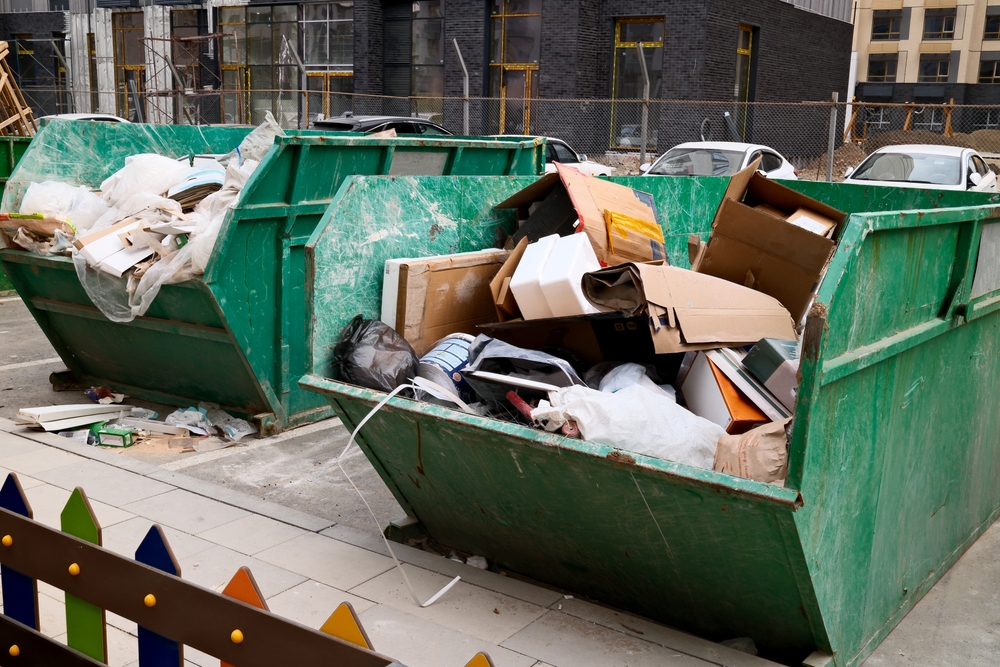
Small renovation projects often generate less debris than full remodels but still require proper disposal. Bathroom upgrades, flooring replacements, or minor interior updates may only need a compact dumpster for efficient cleanup. Even modest home renovations benefit from a container that keeps materials contained and easy to remove.
Larger remodeling projects usually create substantial volumes of construction waste. Kitchen remodels, basement finishing projects, and whole room renovations produce drywall scraps, wood framing, packaging materials, and old fixtures. Choosing the appropriate dumpster size allows homeowners to complete home renovations without worrying about disposal capacity during the busiest stages of construction.
What Materials Can Be Disposed of During Home Renovations
Renovation work produces a wide range of materials that must be removed safely and efficiently. Many common construction materials can be placed directly into a dumpster, which simplifies cleanup during active projects. Knowing what items can typically be disposed of helps homeowners manage debris more confidently during home renovations.
Drywall and plaster debris. Demolition often produces large quantities of drywall pieces and broken plaster materials.
Wood and framing materials. Scrap lumber, damaged boards, and construction offcuts frequently accumulate during renovation work.
Flooring materials. Old carpet, tile, laminate, and hardwood flooring create heavy debris during removal.
Cabinets and interior fixtures. Outdated cabinetry, shelving units, doors, and trim pieces often require disposal during remodeling projects.
Packaging from building materials. Cardboard boxes, plastic wrap, and protective packaging quickly pile up as new materials arrive on site.
Sorting and removing these materials during a renovation helps maintain a cleaner workspace. Organized disposal reduces clutter and keeps construction areas safer for everyone involved in the project. Using a dumpster ensures debris from home renovations stays contained until final removal.
Keep Your Renovation Cleanup Simple With KCB Services
Managing debris is one of the most overlooked parts of home renovations, yet it plays a major role in keeping projects organized and efficient. Large volumes of drywall, wood, flooring, and old fixtures can quickly overwhelm regular trash service. Renting a dumpster gives homeowners a reliable way to remove renovation waste without interrupting the progress of the project.
KCB Services provides dependable dumpster rentals designed to support projects like home renovations, remodeling upgrades, and large household cleanups. Flexible rental periods, reliable delivery, and straightforward pickup make it easier to keep debris under control while work continues. Contact us at KCB Services to schedule a dumpster rental and keep your next renovation project clean, organized, and moving forward.