7 Common Dumpster Rental Mistakes (and How to Avoid Them)
Renting a dumpster seems straightforward, but small mistakes can quickly lead to delays, added costs, or unnecessary stress during your project. Many issues come from poor planning, unclear expectations, or choosing the wrong setup for the job. Dumpster rental decisions directly affect how efficiently your project runs from start to finish.
Understanding what to avoid helps you stay on schedule and keep your project organized without setbacks. A few simple adjustments can prevent common problems and make the entire process smoother. Dumpster rental works best when you plan ahead and know what to expect before delivery.
What Are the Most Common Dumpster Rental Mistakes?
The most common dumpster rental mistakes include choosing the wrong size, placing the dumpster incorrectly, and underestimating how long you need it. These issues often lead to extra fees, delays, or unnecessary complications during your project. Avoiding these mistakes helps you stay efficient, reduce costs, and keep your project running smoothly.
1. Choosing the Wrong Dumpster Rental Size
Choosing the wrong dumpster size creates unnecessary costs, delays, and frustration during your project. A container that is too small leads to overflow or extra hauls that increase your total expense. Dumpster rental planning should match the volume and type of debris you expect.
Estimating debris accurately helps you avoid ordering a second dumpster or dealing with overfilling issues. Larger projects often produce more waste than expected, especially during renovations or cleanouts. Dumpster rental works best when you size up slightly instead of risking capacity problems.
Ordering the right size from the start keeps your workflow consistent and prevents interruptions. You maintain better control over your timeline when waste removal stays predictable.
Consulting with your provider helps you choose a size based on experience instead of guesswork. Clear communication about your project scope leads to better recommendations.
2. Placing the Dumpster in the Wrong Location
Placing your dumpster in the wrong location can slow down your project and create avoidable obstacles. Poor placement makes loading inefficient and may block access to key areas on your site. Dumpster rental setup should prioritize convenience and accessibility.

Positioning the dumpster too far from the work area increases labor time and effort. Carrying debris across long distances reduces productivity and adds unnecessary strain. Dumpster rental becomes more effective when placement supports your workflow.
Tight spaces or uneven surfaces can also cause delivery or pickup issues. Poor placement may lead to repositioning delays or additional service adjustments.
Planning placement ahead of time prevents last-minute changes and disruptions. Coordinating with your provider ensures the dumpster goes exactly where it is needed.
3. Underestimating Your Dumpster Rental Duration
Underestimating how long you need a dumpster can disrupt your project and create unnecessary stress. Rushed timelines often lead to unfinished work or added fees when extensions become necessary. Dumpster rental planning should account for delays, weather, and unexpected project changes.
Short rental periods can force you to work faster than planned, which increases the risk of mistakes. Extended timelines are common, especially during renovations or large cleanouts. Dumpster rental works best when you allow extra time instead of cutting it too close.
Running out of time can interrupt your workflow and delay project completion. You may need to reschedule pickups or request extensions, which can slow progress. It's crucial to be sure how long you need your dumpster service to avoid any rush work.
Planning for a slightly longer rental period gives you flexibility when things do not go as expected. Clear scheduling helps you stay organized and avoid last-minute adjustments.
4. Overloading the Dumpster
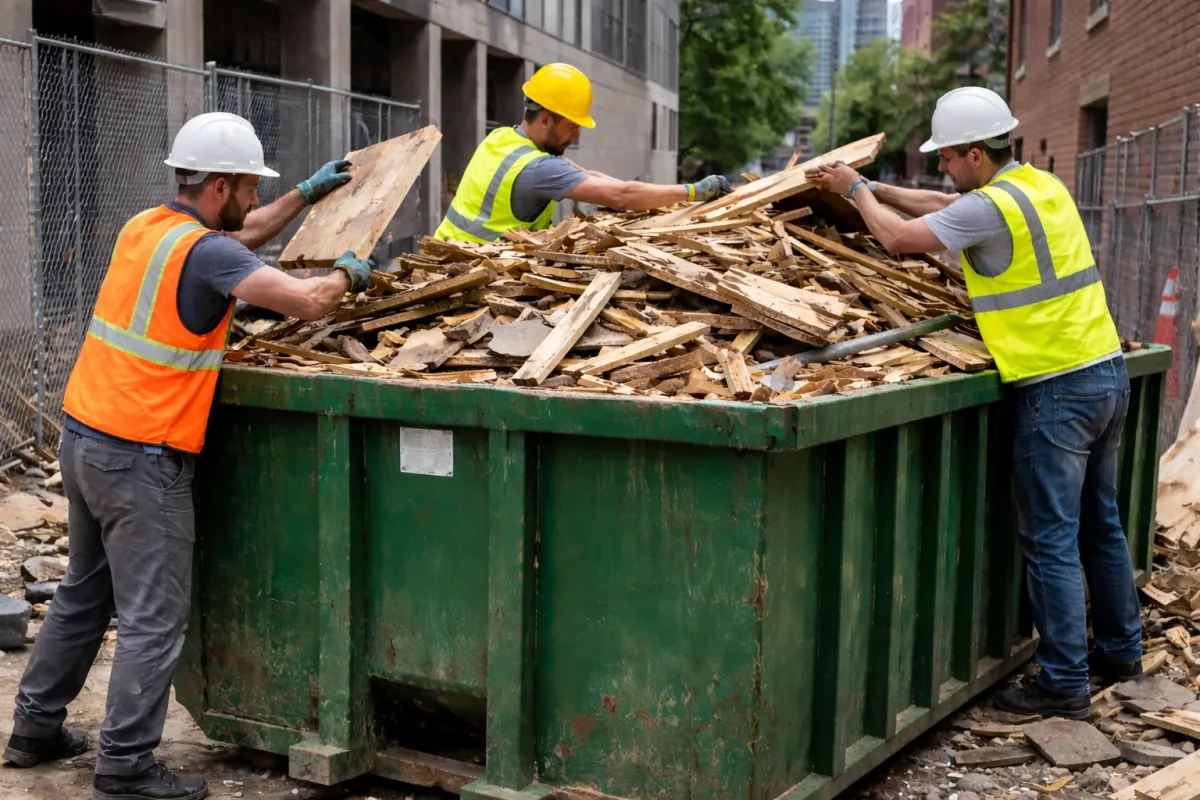
Overloading your dumpster can lead to safety issues, additional fees, and delays during pickup. Excess weight or debris sticking above the container limits can prevent proper transport. Keeping loads within limits ensures your dumpster rental stays compliant and efficient.
Heavy materials like concrete, roofing, or dirt can quickly exceed weight allowances. Even if the dumpster looks manageable, weight restrictions still apply. Dumpster rental requires balancing volume and weight to avoid problems.
Overfilled dumpsters may require offloading or redistribution before pickup can happen. That process adds time and effort that could have been avoided.
Loading evenly and staying below the fill line helps prevent delays and extra charges. Following guidelines keeps your project running smoothly without interruptions.
5. Ignoring Dumpster Rental Restrictions
Ignoring material restrictions can lead to rejected pickups, extra fees, or safety issues during your project. Certain items require special handling and cannot be placed in standard containers. Dumpster rental guidelines exist to ensure safe transport and proper disposal.
Hazardous waste, electronics, tires, and certain appliances often fall under restricted categories. Placing these items in your container can create compliance issues or delay removal. Dumpster rental works best when you confirm accepted materials before loading.
Improper disposal may require sorting or removing restricted items before pickup can proceed. That process slows down your project and adds unnecessary work.
Checking guidelines in advance helps you avoid surprises and keeps everything running smoothly. Clear communication with your provider ensures proper handling from the start.
6. Not Preparing the Drop-Off Area
Failing to prepare the drop-off area, whether for residential or commercial disposal, can cause delivery delays and placement issues. Obstacles like vehicles, debris, or uneven surfaces can prevent proper positioning. A dumpster rental setup should always start with a clear, accessible space.
Limited access can force drivers to adjust placement or delay delivery altogether. Tight driveways or blocked entry points complicate the process. A dumpster rental is more efficient when the area is ready ahead of time.
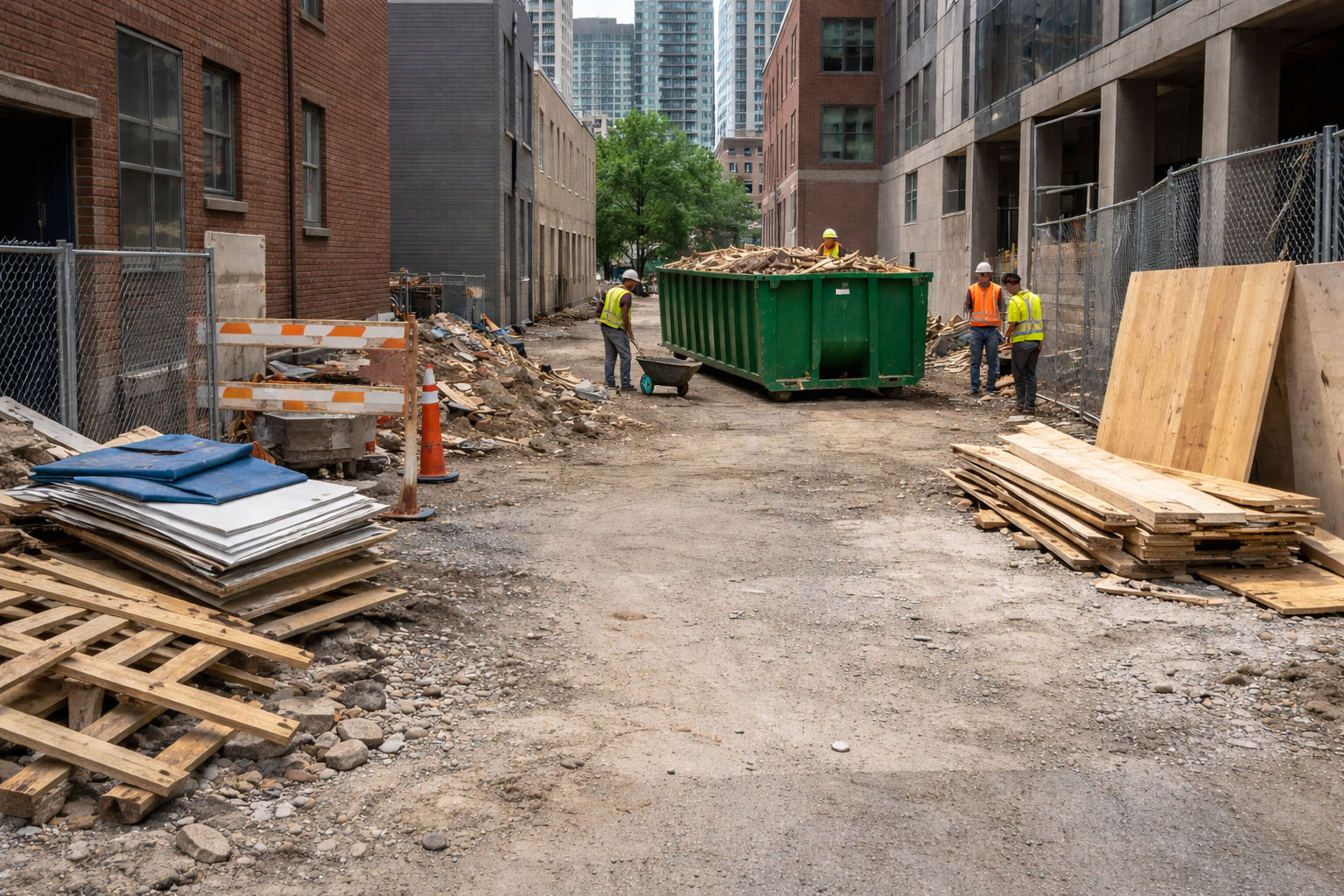
Unprepared surfaces may also increase the risk of property damage during placement. Soft ground or unstable areas can affect positioning and stability.
Clearing the area and planning access ahead of time helps avoid delays and complications. Proper preparation ensures smooth delivery and a better overall experience.
7. Poor Dumpster Rental Pickup Planning
Poor pickup planning can create delays that affect your project timeline and site organization. Waiting too long to schedule pickup may leave debris sitting longer than expected. Dumpster rental works best when pickup timing aligns with your project schedule.
Unplanned pickups can interfere with ongoing work or create congestion on your site. Late removal may block access or slow down final cleanup. Dumpster rental stays efficient when removal happens at the right stage of your project.
Forgetting to schedule pickup in advance can lead to availability issues or scheduling conflicts. You may need to wait longer than expected for removal.
Coordinating pickup early helps you stay organized and avoid last-minute disruptions. Clear timing keeps your project clean, efficient, and on track.
Avoid These Dumpster Rental Mistakes and Keep Your Project on Track
Avoiding common mistakes helps you save time, reduce costs, and keep your project running smoothly from start to finish. Small planning errors can create delays, added fees, or unnecessary complications that slow your progress. Dumpster rental becomes far more efficient when you plan ahead and follow simple guidelines.
You need a provider that offers clear guidance, reliable service, and support throughout your project. KCB Services helps you avoid mistakes with straightforward recommendations and dependable delivery. Contact us at KCB Services to get started with a dumpster rental that works the way you need it to.